When people think of the Dominican Republic, they usually imagine sunny beaches, tasty food, and fun music — and that’s definitely part of what makes the country special.
But beyond these popular attractions, the Dominican Republic also has a rich cultural history influenced by its past, traditions, and national pride.
The country is represented by a number of important symbols that reflect its heritage and identity. These symbols — from the national flag to traditional practices and historical landmarks — help tell the broader story of the Dominican Republic. They serve as expressions of the country’s values, history, and cultural diversity.
Exploring these symbols offers a deeper understanding of what the Dominican Republic stands for, both to its people and in the wider world.
10 Iconic Symbols of the Dominican Republic
Here are some of the most iconic symbols of the Dominican Republic, representing its rich history, heritage, and identity.
1. The Flag

The Dominican Republic’s flag, first designed in 1844 by Juan Pablo Duarte, carries deep meaning in its colors and symbols. Blue stands for liberty, white represents peace and salvation, and red honors the courage and sacrifice of the country’s heroes.
At the center of the national flag is a unique feature: an open Bible, making the Dominican Republic the only country in the world with a Bible on its flag. Above the Bible is the national motto: “Dios, Patria, Libertad” — God, Fatherland, Liberty.
There’s also a simpler version called the civil flag. It has the same color pattern but leaves out the coat of arms in the middle.
2. La Biblia Abierta (The Open Bible)
The open Bible is featured in the center of the Dominican Republic’s flag as part of its national coat of arms. This reflects the country’s strong Christian background and the historical influence of Roman Catholicism.
The Bible is open to John 8:32, which says: “Y la verdad os hará libres” (“And the truth shall set you free”).
The verse signifies values like truth, freedom, and justice — core ideas closely tied to the country’s identity and its journey toward independence.
3. Juan Pablo Duarte

Juan Pablo Duarte (January 26, 1813 – July 15, 1876) was a Dominican leader, writer, and patriot. He is best known as one of the Founding Fathers of the Dominican Republic and is honored as the “Father of the Nation.”
Duarte played a major role in the country’s fight for independence and is a lasting symbol of Dominican freedom and national pride.
His name is remembered across the country for good reason — without him, the Dominican Republic might not exist today.
4. Merengue & Bachata
Merengue and bachata are an important part of life in the Dominican Republic. They reflect the feelings and stories of its people — from love and happiness to longing and strength.
Merengue, the national dance, is so important to Dominican culture that UNESCO has listed it as part of the world’s cultural heritage. Its fast pace and lively beat make it hard not to dance.
Bachata has a slower, more emotional rhythm and often tells stories about love and heartbreak.
Together, these two styles are more than just music and dance. They represent Dominican identity and traditions, shared and celebrated across generations.
5. La Bandera Dominicana (The Flag Dish)

Rice, beans, and meat — it’s a simple meal but very special and full of meaning. People call it “La Bandera” (the Flag) because its colors resemble the Dominican flag.
La Bandera is a beloved dish in the Dominican Republic and a big part of daily life. You’ll often see it served with salad and fried plantains.
More than just food, it’s a symbol of the warmth, hospitality, and love that define everyday life in the Dominican Republic.
6. Presidente Beer
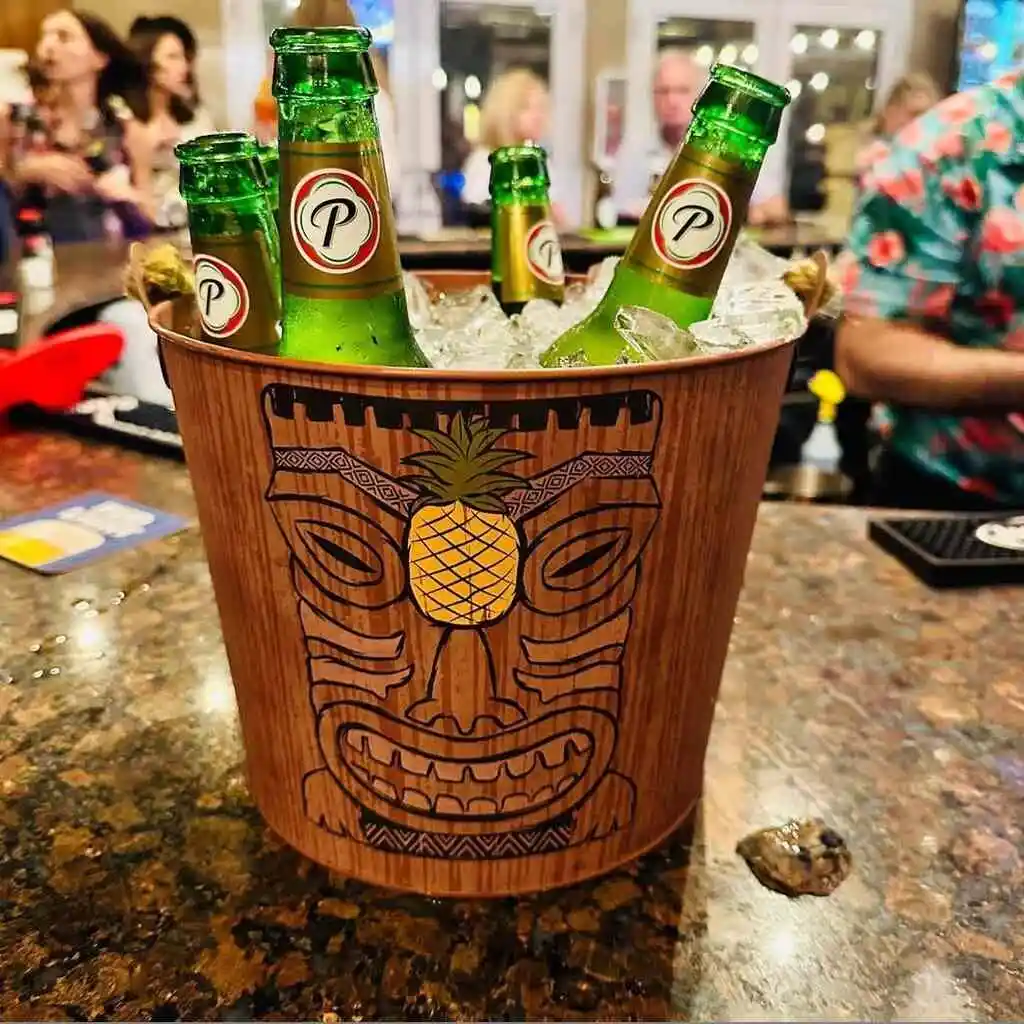
Named after former Dominican Republic president Rafael Leónidas Trujillo, Presidente beer is more than just the country’s favorite drink — it’s a symbol of Dominican culture.
Known for being part of celebrations, music, and national pride, Presidente plays a big role in social life. From lively colmados (corner stores) to beach parties and family events, this Dominican beer is always served and enjoyed ice cold.
Presidente stands for hospitality and Dominican identity. It brings people together and keeps the spirit of the culture alive — both at home and wherever Dominicans live around the world.
7. Los Tres Golpes (The Three Hits)
Los Tres Golpes, which means “The Three Hits,” is a popular breakfast in the Dominican Republic. It includes mashed plantains (called mangú), Dominican salami, white cheese, and eggs.
Originally, Los Tres Golpes was a filling meal eaten in the countryside before a hard day’s work. Today, it’s a comforting meal that brings back memories of home for many Dominicans.
This dish is a big part of Dominican culture and is considered the national breakfast.
8. Diablo Cojuelo (Carnival Mask)

Diablos cojuelos, or “limping devils,” are colorful and slightly scary masks seen every February during Carnaval, especially in La Vega. Brought from Spain, they first appeared in Santo Domingo in 1520 during the first American carnival.
Originally used to scare off evil spirits, diablos cojuelos now celebrate culture with humor and vivid costumes. They blend Indigenous, African, and Spanish traditions.
The diablo cojuelo’s limp symbolizes the devil’s fall, but also strength — turning fear into laughter. This mix of fear and laughter shows the strong connection Dominicans have to their history and culture.
9. Rosa de Bayahibe (Bayahibe Rose)

This isn’t your typical flower — it’s actually a rare cactus! It is one of the few cactus species that has leaves.
Rosa de Bayahibe (Bayahibe rose) stands out, just like the culture it represents. It grows only in the Dominican Republic, mostly in the town of Bayahibe, which is where it gets its name. It is the national flower of the country.
The Bayahibe rose symbolizes both uniqueness and national pride. Sadly, it’s critically endangered because of habitat loss.
10. El Faro a Colón (Columbus Lighthouse)

El Faro a Colón, or the Columbus Lighthouse, is a massive monument in Santo Domingo that serves as a striking tribute to Christopher Columbus. It functions as both a mausoleum and a museum, featuring exhibits such as a boat from Cuba and Colombian jewelry.
The Columbus Lighthouse stands as a powerful symbol of Dominican pride, representing the country’s colonial past and its role in a pivotal moment in the history of the Americas. It is a key landmark that connects the nation’s identity to its historical roots.
The lighthouse also symbolizes the country’s independence and progress. It reflects the country’s rich history while looking forward to a bright future.
El Faro a Colón is a beautiful design shaped like a cross, symbolizing the Christian legacy Columbus brought to the New World. Its bright light serves as a symbol of hope and unity for the Dominican people.