Have you ever read a book so vivid and gripping that it felt like you were actually in the story — like you’d slipped between the pages and landed right there with the characters, seeing what they saw, feeling what they felt? It’s the kind of literary magic that doesn’t just entertain — it pulls you into a whole new world and makes you want to learn more about it.
That’s exactly what happened to me, years ago.
So, I spotted a book by Junot Díaz at a bookstore, and it had that bold little burst on the cover — “WINNER OF THE PULITZER PRIZE.” Something about it — maybe the title, maybe the timing — grabbed me. I didn’t even bother with the blurb — I paid for the book, went home, and started diving into its pages… and didn’t come up for air until I’d finished.
That book – The Brief Wondrous Life of Oscar Wao – lit a spark in me.
By the time I closed the book, I wasn’t just a fan of the story — I was newly obsessed with the Dominican Republic and its intense and blood-soaked history, especially under the brutal Trujillo dictatorship.
And while I’ve always respected nonfiction, I find that fiction often speaks louder — it softens the blow while still delivering the truth. Fiction lets us feel the weight of history without being overwhelmed by it, and through richly drawn characters and compelling narratives, it reveals the emotional core of real events.
So if you’re curious about the Dominican Republic, its culture, its struggles, and its strength, but you’re not ready to dive into thick history books just yet — don’t worry. Fiction has your back.
In this article, I’ll share some amazing novels set in or inspired by the Dominican Republic that are powerful, eye-opening, and impossible to put down. Get ready to travel through stories that will stick with you long after you close the book.
6 Must-Read Books About the Dominican Republic
Here are some must-read fiction books about the Dominican Republic that will captivate you just like they did me. Naturally, I’ll start the list with the book that sparked it all for me. Consider this your warning!
1. The Brief Wondrous Life of Oscar Wao — by Junot Díaz
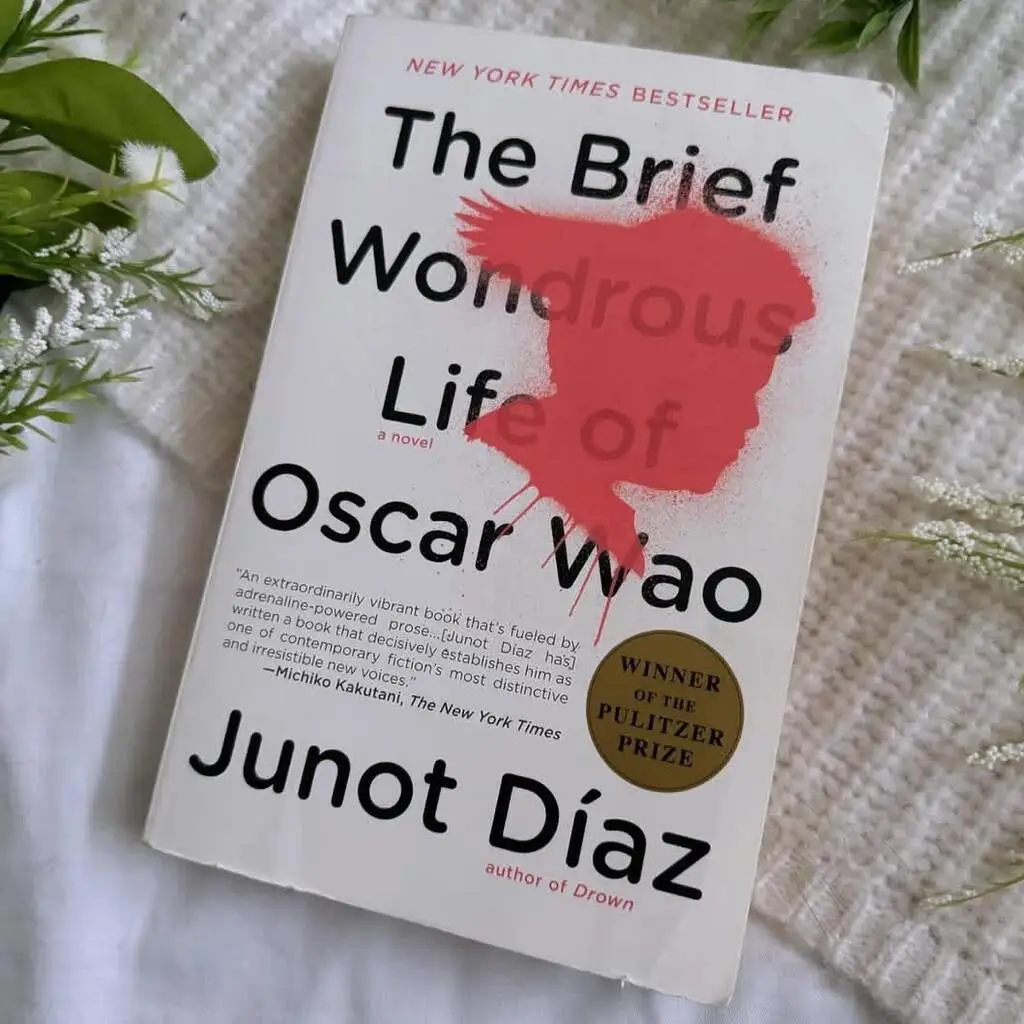
The Brief Wondrous Life of Oscar Wao by Junot Díaz is a quirky, funny, and surprisingly tender story about an immigrant nerd who just might be the Dominican J.R.R. Tolkien. It is a captivating, layered read that’s both realistic and almost fantastical, leaving a lasting impact.
Oscar de León, a.k.a. Oscar Wao, isn’t your typical Latin protagonist — he’s overweight, socially awkward, and terrible with women, often ignored by others. He’s the kind you laugh at but end up rooting for. The narrator, Yunior, is Oscar’s opposite — charming, womanizing, but hiding deeper layers. The story seems like a simple tale of awkward misadventures, yet it weaves in heavy truths about love, isolation, politics, and the dark legacy of Rafael Trujillo’s rule over the Dominican Republic.
Díaz doesn’t just write; he celebrates the nerdy things we all secretly adore, from obscure books to random pop culture references. He gets us. If you’re not a geek, you might not get it — believe me, this book is a love letter to nerds, and I am here for it.
2. The Feast of the Goat — by Mario Vargas Llosa

Some call The Feast of the Goat a masterpiece of Latin American and world literature — and honestly, they’re not wrong.
This isn’t your breezy beach read; it’s a dark, intense, and unforgettable dive into the final days of Trujillo’s brutal dictatorship in the Dominican Republic. Mario Vargas Llosa pulls no punches, weaving together fact and fiction to explore power, fear, and the cost of survival.
Now, full disclosure: I’m more of a Gabriel García Márquez fangirl, and I did find this book a bit tough to follow at times. But wow — is it worth it.
Vargas Llosa, a Peruvian Nobel laureate, might be writing about another country’s history, but he does it with razor-sharp insight and eerie precision. The characters — some real, some imagined — are magnetic, and the storytelling is masterful. The Cabral family, for example, is fictional, but they feel like they’ve lived through every horror Vargas Llosa describes.
It’s not an easy read, but it’s a fascinating, beautifully written one. If you’re up for a literary challenge with high emotional stakes and sharp political commentary, this book is a must-read.
3. How the García Girls Lost Their Accents — by Julia Alvarez
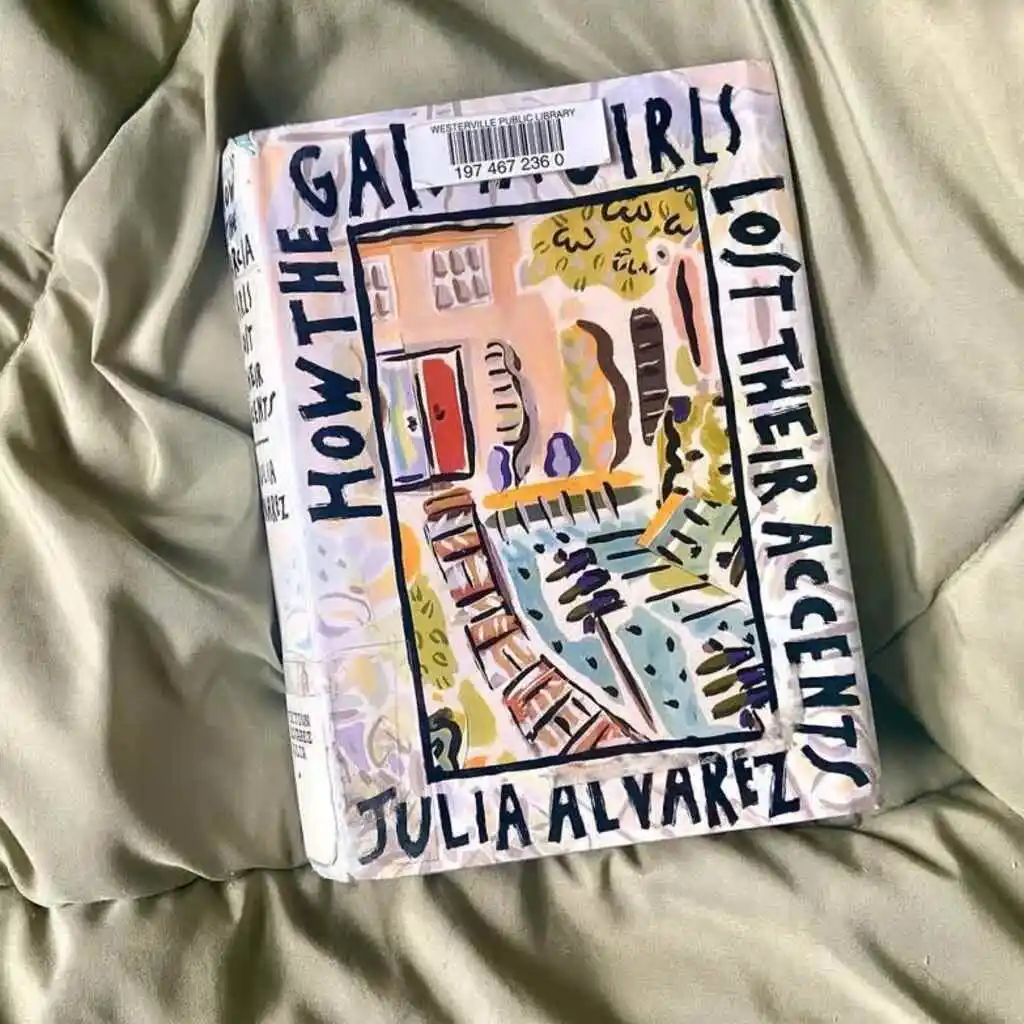
Julia Alvarez’s How the García Girls Lost Their Accents is one of those rare novels that lingers long after you’ve finished it.
Told in reverse chronological order, it traces the lives of four sisters uprooted from their privileged life in the Dominican Republic and thrown into the unfamiliar world of the United States. What really struck me was how their identities slowly come into focus — not all at once, but through memories, cultural shifts, and the quiet ache of everything they’ve lost along the way.
Alvarez’s writing is thick with feeling — poetic, full of rich imagery that really pulls you in. Each sister feels so alive on the page that, by the end, I found myself deeply connected to their struggles and triumphs. The novel beautifully captures the confusion and complexity of growing up between two worlds — and how being uprooted doesn’t just change where you live, but who you are.
If you’re drawn to narratives that explore the immigrant experience with honesty and lyrical depth, grab a copy of How the García Girls Lost Their Accents now. This is also for readers who enjoy character-driven stories, especially ones that challenge you with structure and style.
4. In the Time of the Butterflies — by Julia Alvarez

When I picked up In the Time of the Butterflies by Julia Alvarez, I was drawn into the incredible story of the Mirabal sisters — women who dared to stand up against Trujillo’s brutal dictatorship in the Dominican Republic.
This novel isn’t just a retelling of history, but also a vivid, emotionally charged blend of fact and fiction that brings these courageous sisters to life.
Told through both first-person and third-person points of view, the story gives each sister a distinct voice — especially Minerva, whose underground name, “Butterfly,” became their shared symbol of resistance and transformation. I was moved by their strength, their family bond, and the personal sacrifices they made in the name of justice and freedom.
Alvarez really drew me in with how she tackles big themes like authoritarianism, gender roles, and moral courage — all without slowing the story down. The characters felt so real and complex. It’s a very powerful feminist read that I swear will stick with you long after you close the book.
5. The Cemetery of Untold Stories — by Julia Alvarez

The Cemetery of Untold Stories is based on real events, with plenty of twists, and a touch of magic and mystery. Here’s the gist of the plot:
Haunted by her unfinished stories and refusing to go mad like her friend did chasing the perfect novel, famous writer Alma Cruz literally buries her failed drafts in a plot of land she inherited back home in the Dominican Republic. Problem is, the stories won’t stay dead — they start talking back.
This is hands down my favorite Julia Alvarez book. As a self-proclaimed Gabriel García Márquez fangirl, the magical realism here totally won me over. I mean, how could I resist a story where the stories themselves talk back? It’s such a clever, playful concept — and surprisingly moving.
The title caught my eye first, and from there, I was hooked. The plot follows a cemetery groundskeeper who starts hearing whispers — voices from Alma’s stories, desperate to be heard. It’s imaginative, funny, and deeply human.
Like Alvarez’s other works, this one doesn’t shy away from history. We get powerful glimpses into the Dominican Republic’s past and the horrors of the Trujillo era. I loved it so much I genuinely wish I could visit that cemetery and leave flowers for the buried untold stories!
6. The Farming of Bones — by Edwidge Danticat

Reading The Farming of Bones by Edwidge Danticat pulled me into Amabelle Desir’s world — a Haitian maid living in the Dominican Republic during the 1937 Parsley Massacre.
I followed Amabelle and her lover, Sebastien, as they dream of going home to Haiti, only to be swept up in the horror of brutal ethnic violence ordered by Trujillo. It shook me to realize how easily lives can be erased under the weight of hatred and dictatorship.
Much like the haunting truths I encountered in Julia Alvarez’s In the Time of the Butterflies, Danticat’s The Farming of Bones left me stunned and deeply moved. Yet, unlike Alvarez, Danticat never depicts Trujillo directly. Instead, he remains a looming presence — a silent, ever-present threat.
This isn’t the dictator’s story, though. It belongs to Amabelle, and through her, I felt the heartbreak of so many voices that history tried to erase. The writing is raw and beautiful, and even in all its sorrow, I found moments of love and quiet strength.